The Google Pixel 7a is one of the smartphones that draws attention for a specific reason: its ability to stay updated for several years. In a market where some devices quickly become obsolete, this model stands out with a promised extended support duration. But beyond the displayed promises, the reality is assessed over time, through how updates arrive and what they actually bring over time.
A software schedule that stretches over several years
The Pixel 7a benefits from announced software support over a period of about five years. This duration includes new versions of the Android system as well as security patches. The device, launched in 2023, will thus be subject to updates until around 2028.
At the beginning of this period, updates arrive with a certain regularity. New system versions bring visible changes, interface adjustments, and feature additions. This phase corresponds to an active period where the smartphone evolves at the same pace as the Android system.
Over time, the pace becomes more measured. Updates focus more on security and stability, with fewer visible elements in the interface. This gradual transition allows the phone to remain stable while continuing to receive important fixes.
This multi-year organization shows a desire to maintain a consistent device over time, without abrupt interruption in receiving updates.
READ ALSO RAM: from how much does your smartphone really become fluid
A software management designed to accompany the hardware
The Pixel 7a relies on a close integration between hardware and software. This approach allows for a stable experience despite the evolution of the Android system over the years. Updates are designed to adapt to the device’s configuration, which limits performance imbalances.
Over time, this management allows for a certain fluidity in transitions, even when system versions become more demanding. The smartphone continues to run applications and tasks without abrupt breaks, contributing to continuity in the overall experience.
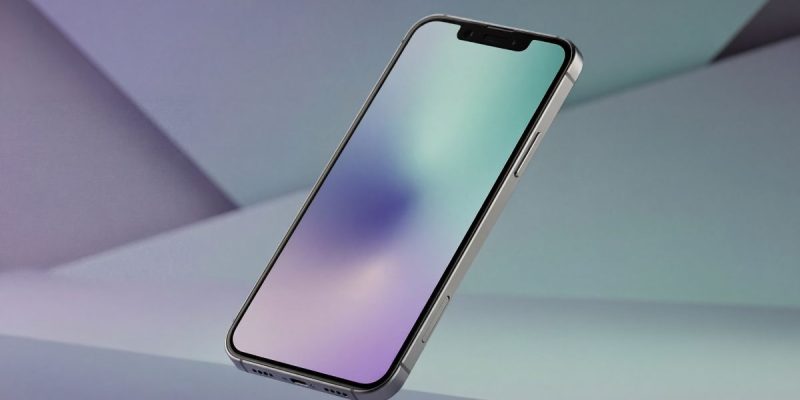
A device like the iPhone 13 illustrates a similar logic, with strong integration between hardware and software. This coherence allows for maintaining a good level of responsiveness over several years, even when updates become more complex.
In the case of the Pixel 7a, this approach allows for extending the period during which the device remains pleasant to use, even if some limitations gradually appear with the evolution of applications and system requirements.
Security maintained over time
Security updates play an important role in the lifecycle of the Pixel 7a. They allow for fixing vulnerabilities and adapting the system to new threats identified over time.
Over a period of several years, these patches ensure that the smartphone remains protected against vulnerabilities that may appear in software or connected services. This regularity helps maintain a stable and protected environment.
Even when system updates become less frequent, security patches continue to be deployed. This extends the smartphone’s ability to operate in a constantly evolving digital environment.
This continuity in security allows for using the Pixel 7a over an extended period without questioning the system’s reliability. The device remains compatible with current requirements while benefiting from regular monitoring by Google.
A progressive evolution of performance and system
Over the years, a smartphone like the Pixel 7a evolves progressively. The first system versions bring visible improvements, while later updates focus more on internal adjustments.
Performance can remain stable for a long period, thanks to optimizations integrated into the updates. However, the evolution of applications and services may gradually demand more from the device’s resources.
A model like the iPhone 13 shows that this evolution can remain controlled when the system is well optimized. The Pixel 7a follows a similar logic, where software management allows for extending a certain fluidity over time.
As the years progress, the battery and internal components also play a role in the overall experience. Updates cannot fully compensate for the natural wear of the hardware, but they help maintain overall coherence.
This natural progression is part of the smartphone’s lifecycle, which evolves alongside new system versions and applications.
A duration that redefines market expectations
The Pixel 7a is part of a broader trend where support duration becomes an important argument in choosing a smartphone. A five-year period allows for considering extended use without losing access to major updates.
This duration offers a certain peace of mind over several years. The smartphone remains compatible with Android system evolutions and maintains a level of security adapted to current standards.
In a market where renewal cycles were once shorter, this evolution marks a change in how devices are designed and supported over time.
The Pixel 7a illustrates this transition by offering a support duration that extends well beyond the average of many Android models. This approach allows for maintaining a functional and supported device over a prolonged period, without sudden interruption in receiving updates.