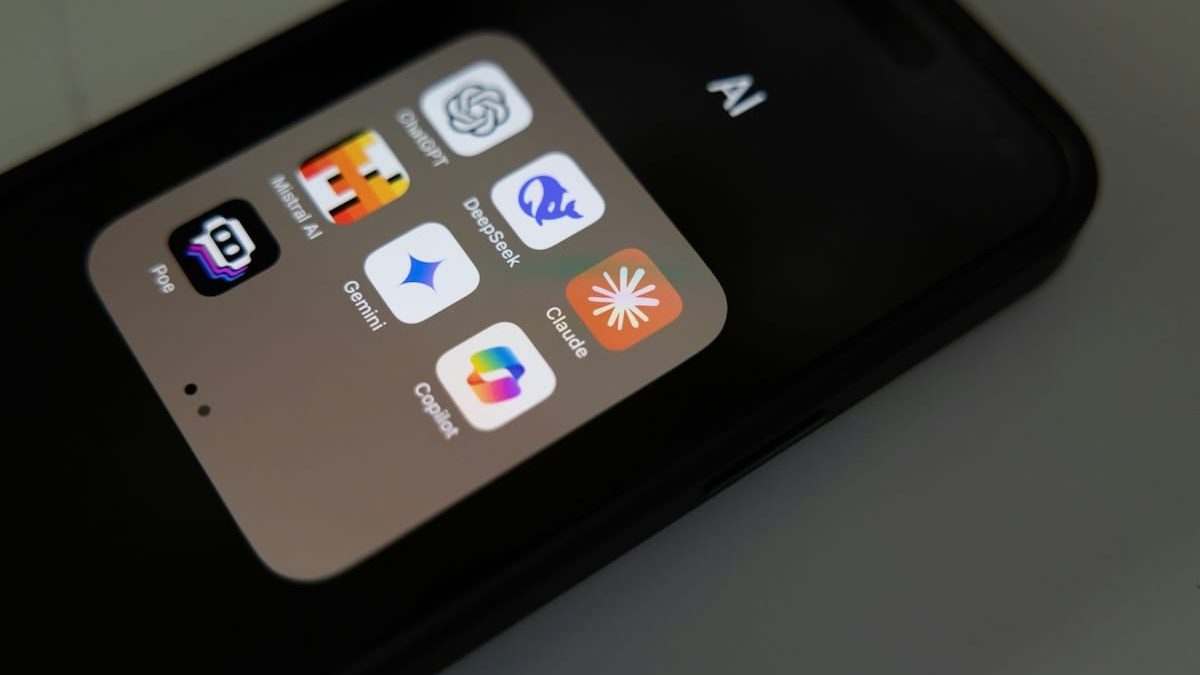
Anthropic, the company behind the artificial intelligence Claude, has recently implemented an invisible watermark on texts generated by its AI. This initiative, which complies with the European regulation on artificial intelligence, has elicited varied reactions among users. Some subscribers have expressed their dissatisfaction and decided to cancel their subscription, fearing that this mark might compromise the perception of their work.
Imagine a world where every word you write, every line of code you produce, is accompanied by an invisible signature. This is exactly how Claude users feel after the introduction of the watermark by Anthropic. You may wonder whether this measure is an essential advancement or an unnecessary intrusion into your daily work. This dilemma is currently dividing the Claude user community.
The essentials to remember
- Anthropic has integrated an invisible watermark into texts generated by Claude to comply with the European AI regulation.
- Some users, dissatisfied with this measure, have chosen to cancel their subscription, fearing implications on the perception of their work.
- A future verification interface could help identify marked content, while reassuring users about using Claude.
Understanding Anthropic’s invisible watermark
Anthropic’s invisible watermark is a direct response to the European regulation on artificial intelligence, which requires that any content generated or modified by AI be identifiable by machines. This feature is directly integrated at the Claude model level and takes the form of a subtle modification in word choice. Although this mark is undetectable when reading, it survives most common textual transformations.
User reactions to this innovation
Since the announcement of the watermark integration, several Claude users have expressed their disagreement. Among them, Arturo Villarroya and Vladislav Rajtmajer have shared their concerns about the potential repercussions of this mark on the perception and integrity of their work. They particularly fear that the presence of a watermark might tarnish the credibility of their texts or codes, suggesting questionable authorship.
Anthropic’s future ambitions
Anthropic plans to launch a free programming interface that will allow users to check if a text carries the watermark. This could reassure those who are still hesitant to use Claude. Meanwhile, OpenAI is considering adopting a similar approach for its products, while Google has already applied its SynthID marking technology to billions of visual contents.
OpenAI and its efforts to adopt a similar strategy
In response to Anthropic’s actions, OpenAI has announced its intention to develop a similar marking system for its own products. Although the system is still in development, this decision shows a growing alignment among major AI companies on the need to make AI-generated content traceable and transparent.
Global impact of European regulation on the AI sector
The European regulation on artificial intelligence does not only concern Anthropic or OpenAI. It has repercussions on the entire technology sector, prompting companies to rethink how they create and deploy AI models. Companies like xAI and Google must also adapt to these new requirements, even if some choose not to engage voluntarily.
FAQ
What is an invisible watermark?
An invisible watermark is a mark undetectable to the naked eye added to texts generated by AI, intended to indicate that the content has been processed by an artificial intelligence model.
Why are some users canceling their Claude subscription?
Some users are canceling their subscription due to concerns about the perception of their work with a watermark, fearing that it might call into question the authorship or originality of their content.
How does the watermark affect generated texts?
The watermark slightly alters the distribution of words in a text, without being visible when reading. It survives copy-pasting and partial rewriting.
Will OpenAI adopt a similar system?
Yes, OpenAI has indicated its intention to follow Anthropic’s example by developing its own watermark system for its artificial intelligence products.