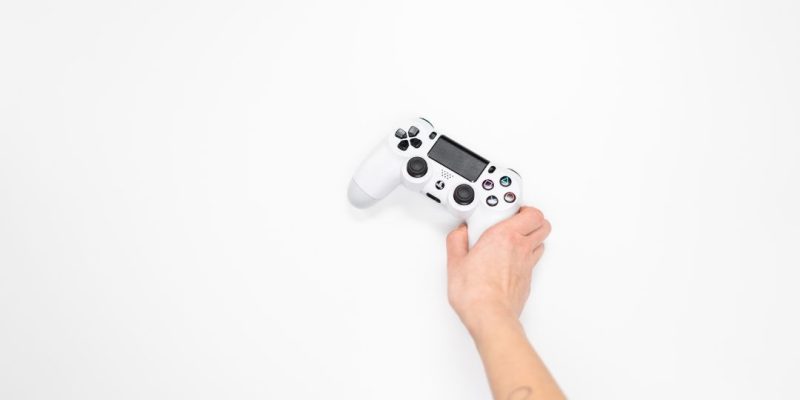
The DualSense controller of the PlayStation 5 is designed to offer several hours of uninterrupted gameplay thanks to its built-in battery. However, it is common that over time and with frequent use, the capacity of this battery decreases, reducing the possible playtime between each recharge. This phenomenon can quickly become frustrating, especially if the sessions are extended. For this reason, it is important to understand why this degradation occurs and what actions can mitigate its effects or resolve it.
Reasons for the gradual battery decline
Several factors contribute to the loss of autonomy observed in PS5 controllers over time.
Repeated recharge cycles
The lithium-ion battery contained in the controller operates on a charge-discharge cycle. Each cycle contributes to a slight aging of the battery. After several hundred cycles, the maximum capacity naturally decreases, shortening the usage time.
Power-hungry functions activated
The advanced effects integrated into the controller, including the highly sensitive haptic feedback, the colored light bar, and the microphone, are all features that consume a lot of energy. Intensive use of these functions accelerates the discharge.
Usage conditions and environment
Exposing the controller to high temperatures (over 35°C) or extreme cold can harm the internal chemistry of the battery. Additionally, use in a dusty or humid environment can affect the components and increase consumption.
Inappropriate charging practices
Connecting the controller to uncertified chargers or leaving it connected for too long, even once fully charged, can degrade the battery more quickly.
Wear related to time
Even without intensive use, a battery loses its capacity over time, generally after 2 to 3 years of use.
Adjustments to improve usage time
Before considering a replacement, several simple measures can extend the battery life.
Reduce power-hungry functions
Disabling or reducing haptic feedback and the LED light in the console settings limits consumption. Some people also prefer to turn off the microphone when it is not needed.
Ensure complete shutdown
Do not leave the controller in standby mode, but turn it off manually after use to avoid unnecessary consumption.
Use suitable chargers
It is important to use official or certified chargers compatible with the DualSense controller. This ensures optimal charging and protects the battery.
Avoid extreme temperatures
Store the controller in a stable temperature environment, neither too hot nor too cold, to preserve the battery.
Changing the battery: a complex intervention
If the battery is too worn and the autonomy becomes insufficient, replacement is possible but not trivial.
The DualSense battery is not designed to be removed by the user. It is fixed inside, requiring careful disassembly of the controller. This operation requires specific tools (precision screwdrivers, opening tools) and good technical skills to avoid damaging the ribbons and circuits.
It is imperative to purchase a replacement battery that meets Sony standards, ensuring safety and performance. A non-certified battery may present a danger or not function properly.
This type of intervention is not recommended for those who do not master the handling of delicate electronic components.
ALSO READ
Alternative options without opening the controller
For those who wish to avoid opening their controller, several solutions are possible:
Dedicated charging stations
Stands that allow charging multiple controllers simultaneously offer a practical solution, ensuring regular and fast charging.
External batteries for controllers
Some accessories attach to the back of the controller to provide extended autonomy without internal modification.
Wired use during gameplay
Connecting the controller during sessions, although constraining, ensures continuous power and avoids battery failure.
These alternatives are effective ways to temporarily circumvent the problem of reduced autonomy.