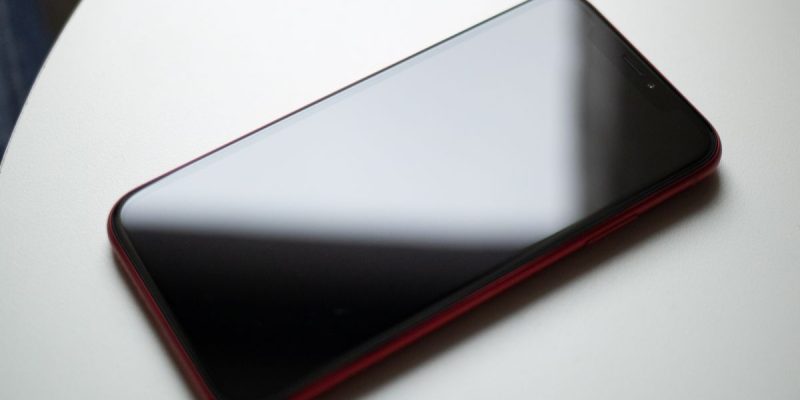
The iPhone 13, like all modern smartphones, relies on precision components to ensure performance and reliability. Among these elements, the Lightning port, which serves both for charging and data transmission, is often underestimated by users. Yet, its condition directly affects the device’s responsiveness, charging speed, and the stability of wired connections. The accumulation of dust, textile fibers, or metallic debris, as well as mechanical wear due to repeated connections, can gradually affect the port.
Understanding the maintenance of this component involves analyzing the physical, mechanical, and electrical interactions that occur there. Attention to the Lightning port is not just about maintenance but about effectively managing the device’s lifespan.
The micro-interactions that affect the longevity of the Lightning port
The Lightning port is a component designed for extremely low mechanical tolerances. Each cable insertion generates a precise electrical contact between the metal pins of the port and those of the connector. Dust and micro-particles alter these contact points, causing an increase in electrical resistance.
Increased resistance can manifest as reduced charging speeds, intermittent disconnections, or a total inability to sync the iPhone with a computer. The repeated friction between the connector and the internal walls of the port also accelerates mechanical wear, which can cause noticeable play and make the connection less stable.
Textile fibers or metallic particles can accumulate in the corners of the port, creating a phenomenon of parasitic micro-currents that reduce the efficiency of energy and data transfer. In some cases, sufficiently dense foreign bodies can generate a localized short circuit, leading to the temporary deactivation of charging by iOS for safety reasons.
The interaction of the port with the environment and usage
The nature of the environment strongly influences the state of the Lightning port. Users exposed to dusty environments, with synthetic fabric clothing or bags containing fine particles, often observe rapid port clogging.
Moreover, intensive use of the original cable or third-party cables of varying quality introduces additional constraints. Connectors with slightly different tolerances increase friction, cause accelerated micro-wear, and can degrade internal metal contacts. The iPhone 13, like other recent models, is designed to withstand thousands of insertions/removals, but these tests are conducted under optimal conditions, rarely representative of actual use.
Finally, the compact design of the Lightning port limits the available space, making debris difficult to remove without precise intervention. This combination of mechanical and environmental factors explains why charging or connection problems often appear insidiously.
Electrical and mechanical analysis of wear
From an electrical perspective, the Lightning port relies on perfect pin alignment. Even a slight alteration of the contact can generate local heating during fast charging. Over prolonged periods, this temperature rise contributes to the progressive degradation of the surrounding metal and plastic.
From a mechanical perspective, the repetition of insertion and removal cycles weakens the internal supports, notably the clips that hold the connector in place. This phenomenon results in increased play, making the cable less stable and causing sporadic interruptions during data transfer or charging. The combined effect of wear and the presence of particles amplifies the risks of poor contact or pin deterioration.
The role of targeted cleaning and preventive maintenance
Maintaining the Lightning port is not merely aesthetic; it has a direct effect on the iPhone’s reliability. Precise techniques, using suitable tools like anti-static brushes or dry air blowers, allow particles to be removed without damaging sensitive components. The use of metallic or overly aggressive tools can cause scratches on the contacts, accelerating port deterioration.
Simultaneously, selecting compatible and certified quality cables reduces mechanical and electrical constraints. Connectors with poor tolerance create concentrated friction points, accelerating wear and increasing the risk of disconnection. Paying attention to cable rotation and connection orientation also helps distribute mechanical stress across the entire port.
Implications on the device’s lifespan and performance
A clogged or worn Lightning port affects several aspects of the iPhone 13’s operation. Charging interruptions, even occasional ones, can lead to long-term battery degradation due to incomplete cycles and localized heating. Synchronization issues with external devices slow file transfers and increase the risk of data corruption during prolonged exchanges.
At the software level, iOS detects certain electrical anomalies and may limit fast charging to protect the circuit. This limitation, visible only to the user, is a direct response to the port’s condition and its interaction with the cable, illustrating how an apparently secondary component conditions the device’s overall performance.
Maintenance in the context of intensive use
For users who use the iPhone 13 intensively, whether for work, content creation, or entertainment, the Lightning port becomes a strategic component. Frequent charging sessions, multiple connections to different computers or accessories, and exposure to varied environments make the port a critical maintenance point.
In this context, regular maintenance is an investment that prolongs the device’s stability and responsiveness. Careful observation of cable detection, connector retention, and responsiveness during data transfers allows for early detection of clogging or wear.
Perspectives on mobile component management
The study of the Lightning port on the iPhone 13 illustrates a more general reality: a smartphone’s reliability does not solely depend on its battery or processor, but on the coherence and maintenance of all its components. Targeted maintenance, applied to often neglected elements, ensures not only immediate performance but also protects the device’s lifespan.
For manufacturers and users, awareness of physical port maintenance should be integrated into common mobile hardware management practices. Understanding the interaction between mechanical wear, particle accumulation, and electrical performance allows for interventions to be anticipated before major problems arise.