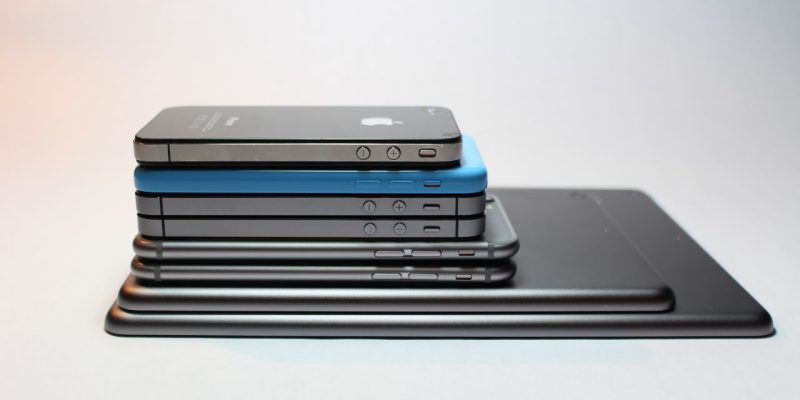
Every year, Apple updates its support policy for its older devices. In 2025, several iPhone models will fall into the category of “obsolete” or “vintage” products, which will impact software compatibility, technical support, and security updates. Understanding these changes allows you to anticipate a possible replacement or better manage the end of life of your device.
What is an obsolete iPhone according to Apple?
At Apple, an iPhone is declared obsolete when it is no longer supported at the hardware level in Apple Stores and authorized service centers. This means that even paid repairs may be refused if replacement parts are no longer available. This status is generally reached 7 years after the end of the model’s commercialization.
This should be distinguished from an iPhone not compatible with new versions of iOS, which concerns the end of software support. In this case, the iPhone remains usable but without the latest features or security patches. This can lead to incompatibilities with certain applications (e.g., banking apps, professional tools, recent games).
iPhones officially obsolete by the end of 2025: which models are affected?
Several models will reach the 7-year mark without commercialization and should therefore appear on Apple’s official list of obsolete products. Here is a detailed analysis:
- iPhone 6s and 6s Plus: released in September 2015, these models received their last major update with iOS 15 in 2021. The residual hardware support in some centers is coming to an end. Their entry into the list of obsolete products is expected in the course of 2025.
- iPhone SE (1st generation): based on the structure of the iPhone 5s, this model released in early 2016 had exceptional longevity but no longer receives software updates since iOS 15. It will likely be part of the obsolete products in early 2025.
- iPhone 7 and 7 Plus: discontinued in 2019, they are no longer compatible with iOS 16 and should reach the end of hardware support by the end of 2025.
- iPhone 8 / 8 Plus: although they remain compatible with iOS 16, their hardware support is limited to a few months. They should be declared “vintage” in 2025, which generally precedes obsolescence the following year.
Replacement or use as a secondary device becomes relevant as soon as the battery weakens or certain apps stop updating.
Which iPhones risk becoming incompatible with iOS 19 in 2025?
Apple unveils each June the list of models compatible with the future version of iOS. iOS 19 is expected in fall 2025, and some currently compatible models will probably not make the cut:
- iPhone X: released in 2017, it marked a design turning point. However, its architecture is aging and could be excluded from iOS 19, particularly due to security requirements or functions based on the newer Neural Engine.
- iPhone 8 / 8 Plus: although still smooth with iOS 16 or 17, their A11 architecture is starting to show its limits. Apple might choose to restrict iOS 19 to A12 Bionic processors or newer.
- iPhone SE (2nd generation): its compatibility will depend on Apple’s strategy. Its A13 processor (identical to the iPhone 11) could offer it another year of support.
Incompatibility with iOS 19 does not prevent the use of the phone but limits access to Apple’s new features (iCloud+, advanced widgets, AI integrations, etc.) and exposes it more to security vulnerabilities.
What happens if your iPhone becomes obsolete or loses iOS support?
Obsolescence, whether software or hardware, has concrete impacts:
- End of security updates: vulnerabilities discovered after the last compatible version will not be fixed. This makes the iPhone less secure, especially for sensitive uses (payments, professional accounts, stored credentials).
- Increasing app incompatibility: over time, app developers stop supporting older iOS versions, making some features inaccessible or even the applications unusable.
- Loss of resale value: an obsolete iPhone is worth significantly less, even in good condition. Reselling it becomes difficult, except at very low prices for auxiliary use.
- End of hardware support: in case of failure or breakage, repairs through the Apple circuit are no longer guaranteed. One must then turn to non-authorized repairers, with sometimes less reliable parts.